Breast Pump Through Insurance: How to Get a Free Breast Pump
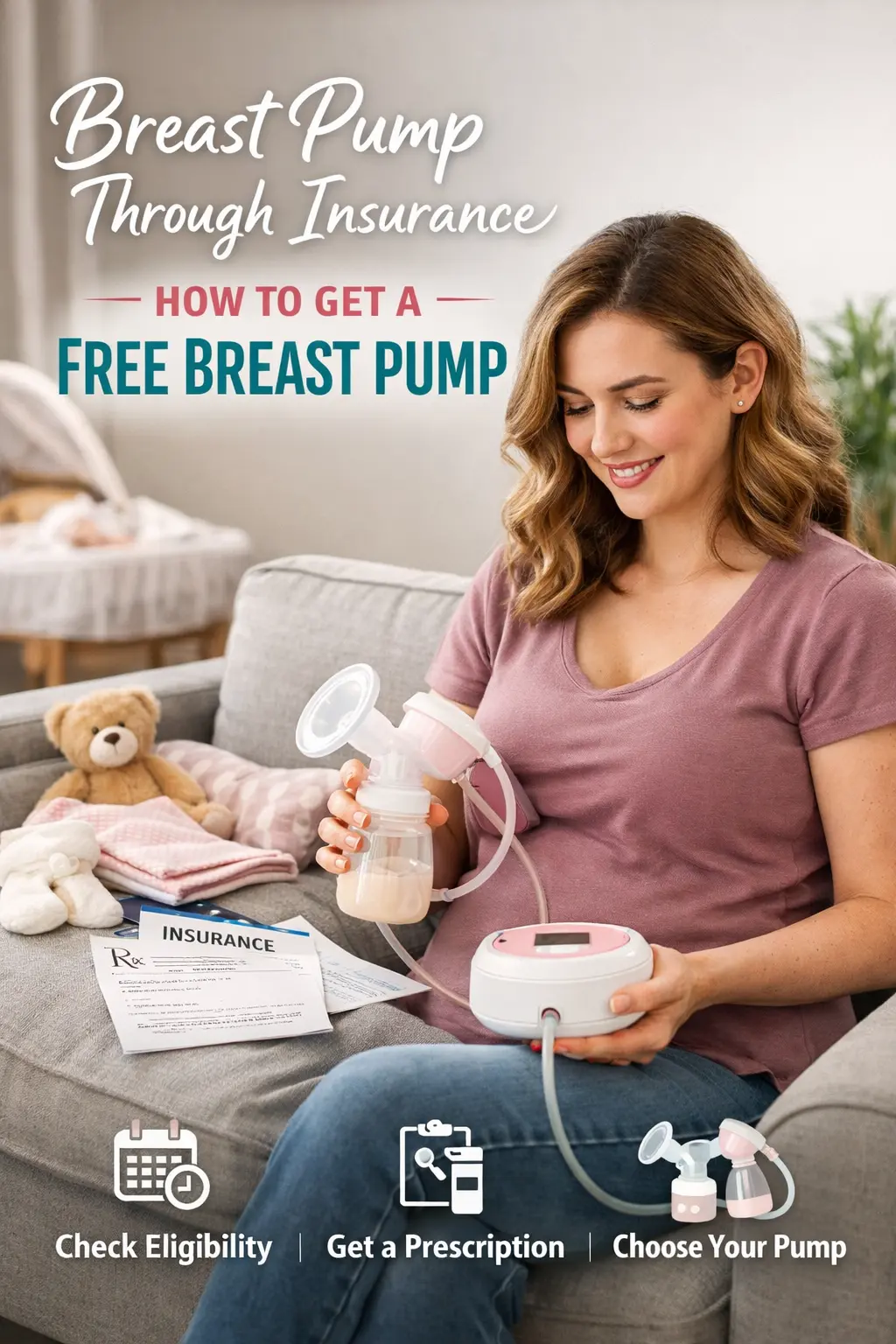
Most pregnant women in the US are entitled to a free breast pump through their health insurance — but many don't know how to get one, or wait too long to order. This guide walks you through exactly what's covered, when to order, and how to get the best pump your insurance will provide.
Note: Coverage details vary by insurance plan. Always verify with your specific insurer. This article focuses on US insurance under the Affordable Care Act.
Are You Entitled to a Free Breast Pump? (Quick Answer)
Most likely yes. Under the Affordable Care Act (ACA), as confirmed by the U.S. Department of Health & Human Services, most health insurance plans are required to cover breast pumps and lactation support at no cost to the patient — no copay, no deductible.
This applies to:
- Most private insurance plans (employer-sponsored or marketplace)
- Medicaid (coverage varies by state)
- CHIP (Children's Health Insurance Program)
Plans that may NOT be required to cover pumps:
- Grandfathered plans (plans that existed before March 23, 2010 and haven't changed significantly)
- Some short-term health plans
- Some self-insured employer plans (though many cover it anyway)
What Exactly Is Covered
| Item | Typically Covered | Notes |
|---|---|---|
| Manual breast pump | Yes | Usually fully covered |
| Standard double electric pump | Yes | Most common covered option |
| Hospital-grade pump rental | Sometimes | Usually requires medical necessity |
| Wearable/hands-free pump | Sometimes | May require upgrade fee. See pros & cons |
| Pump accessories/replacement parts | Rarely | Usually out of pocket |
| Lactation consultant visits | Yes | Covered under ACA preventive care |
When to Order Your Breast Pump
Most insurance plans allow you to order your pump during pregnancy — typically in the third trimester (after week 28). Don't wait until after your baby is born.
- Best time to order: 28–35 weeks pregnant
- Why not earlier: Some plans only allow ordering within a certain window before your due date
- Why not later: Shipping takes time, and you want the pump ready before you need it
Some plans also allow you to order a replacement pump after a certain period (often 3 years). Check your policy.
Not sure when you should actually start using your pump? When to start pumping before birth →
How to Order Your Breast Pump Through Insurance
The process varies by insurer, but generally:
Step 1: Check your coverage
Call the member services number on your insurance card and ask:
- Is a breast pump covered under my plan?
- Do I need a prescription from my doctor?
- Which suppliers are in-network?
- When can I order (how many weeks pregnant)?
- Is there an upgrade option if I want a different pump?
Step 2: Get a prescription if required
Many insurers require a prescription from your OB or midwife. Ask at your next prenatal appointment — most providers are familiar with this process.
Step 3: Order through an approved supplier
Your insurer will have a list of approved durable medical equipment (DME) suppliers. Common ones include:
- Aeroflow Breastpumps
- Byram Healthcare
- Edgepark Medical Supplies
- Insurance-specific portals (some insurers have their own)
Many suppliers have online portals where you can enter your insurance information and see which pumps are available at no cost.
Can You Upgrade to a Better Pump?
Often yes. If your insurance covers a basic double electric pump but you want a wearable pump or a higher-end model, many suppliers offer an upgrade option where you pay the difference.
This can be a good deal — you get a better pump at a fraction of the retail price.
Not sure which pump to choose? How to choose the right breast pump →
What If Your Insurance Doesn't Cover a Pump?
If your plan doesn't cover a pump or you're uninsured:
- WIC program — provides breast pumps to eligible low-income mothers
- Hospital rental — many hospitals rent hospital-grade pumps, especially for NICU situations
- FSA/HSA funds — breast pumps are FSA/HSA eligible expenses
- Manufacturer programs — some pump brands offer financial assistance programs
Your Rights Under the PUMP Act
Getting a pump is just the first step. Once you're back at work, you also have legal rights to pump at work. Your legal rights for pumping at work →
Final Thoughts
Once your pump arrives, you'll want to know how to use it effectively from day one. Pumping schedule for newborns →
A free breast pump is one of the most valuable benefits available to pregnant women in the US — and it's one of the most underutilized. Order early, know your options, and don't hesitate to ask your insurer about upgrades.
Once you have your pump, tracking your sessions helps you get the most out of it from day one.
Got your pump? Start tracking your sessions from day one with our free Pumping Tracker.
Learn more about Pumping Tracker →Related Articles
Written by
Piaora Editorial Team
Evidence-based guides on pumping, breastfeeding, and PCOS — researched with input from lactation professionals and written for real moms.
Learn more about our team and editorial standards →