Troubleshooting Common Pumping Problems for Working Moms
Even with a perfect pumping schedule, working moms can encounter challenges that affect milk supply or comfort. This guide covers the most common challenges and practical solutions to keep your routine stress-free and effective.

| Problem | Most Likely Cause | Quick Fix |
|---|---|---|
| Low output | Skipped sessions | Pump more frequently |
| Sore nipples | Wrong flange size | Try a different size |
| No let-down | Stress or distraction | Relax, look at baby's photo |
| Missed session | Busy schedule | Pump extra next session |
| Supply drop | Stress or dehydration | Hydrate, rest, stay consistent |
Why Your Milk Supply Drops
Sometimes milk supply drops unexpectedly. According to La Leche League International, common reasons include stress, skipped pumping sessions, dehydration, or dietary changes.
To maintain supply:
- Stick to your pumping schedule
- Drink plenty of water and eat balanced meals
- Use hands-on pumping techniques to improve milk expression
- Rest when possible — stress and fatigue reduce milk output
If you're already seeing a drop, here are more proven strategies: How to Increase Milk Supply While Pumping →
Dealing with Sore Nipples or Discomfort
Discomfort can make pumping stressful. Tips to reduce pain:
- Choose the correct flange size for your pump
- Adjust suction and speed settings gradually
- Use nipple creams or hydrogel pads if needed
- Ensure proper positioning for every session
The right flange size makes a bigger difference than most moms realize. If pumping hurts, this is the first thing to check.
What to Do When You Miss a Pumping Session
Missed sessions are normal, especially for working moms. Here's how to recover without losing supply:
- Pump extra during the next session (but don't overdo it)
- Keep a backup frozen milk stash for peace of mind
- Focus on hydration and relaxation to encourage let-down
Not sure how often you should be pumping at work? See the complete pumping frequency guide →
Maintaining Pump Hygiene
Proper cleaning prevents infections and maintains pump efficiency:
- Wash pump parts after every session with warm soapy water
- Sterilize parts daily or weekly depending on use
- Check tubing and valves regularly for wear
- Replace worn parts — they affect suction and output
Small maintenance habits go a long way in keeping your pump working at its best.
Tips to Make Pumping Easier at Work
Maximize comfort and efficiency during work:
- Create a private, quiet space for pumping
- Schedule reminders and block calendar time
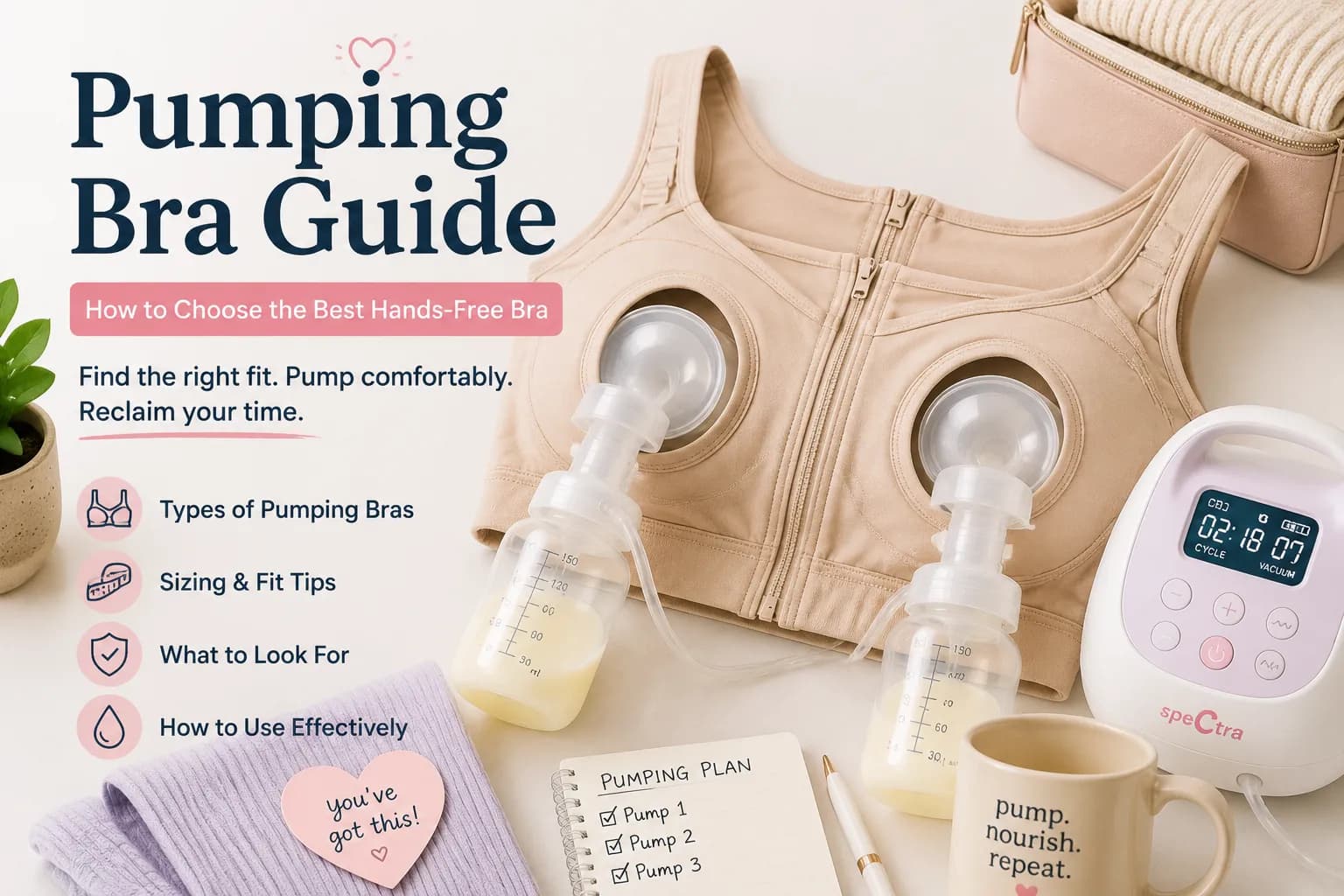
- Use a hands-free pump for multitasking
- Keep a small cooler for milk storage
A simple pumping tracker can help you log sessions, spot patterns, and stay on schedule — without adding stress.
Final Thoughts
Pumping problems are common — but most of them are fixable. Whether you're dealing with low milk supply, sore nipples, or missed sessions, small adjustments can make a big difference.
Stay consistent, take care of your pump, and don't be too hard on yourself. You're doing great.
Pumping doesn't have to be stressful. Track your sessions with our free Pumping Tracker and stay consistent with your routine.
Learn more about Pumping Tracker →Related Articles


Written by
Piaora Editorial Team
Evidence-based guides on pumping, breastfeeding, and PCOS — researched with input from lactation professionals and written for real moms.
Learn more about our team and editorial standards →