PCOS and Insulin Resistance: What It Is and How to Fix It
If you have PCOS, there's a good chance insulin resistance is at the root of your symptoms — whether you know it or not. Understanding this connection is one of the most important things you can do for your health, because addressing insulin resistance often improves multiple PCOS symptoms at once.
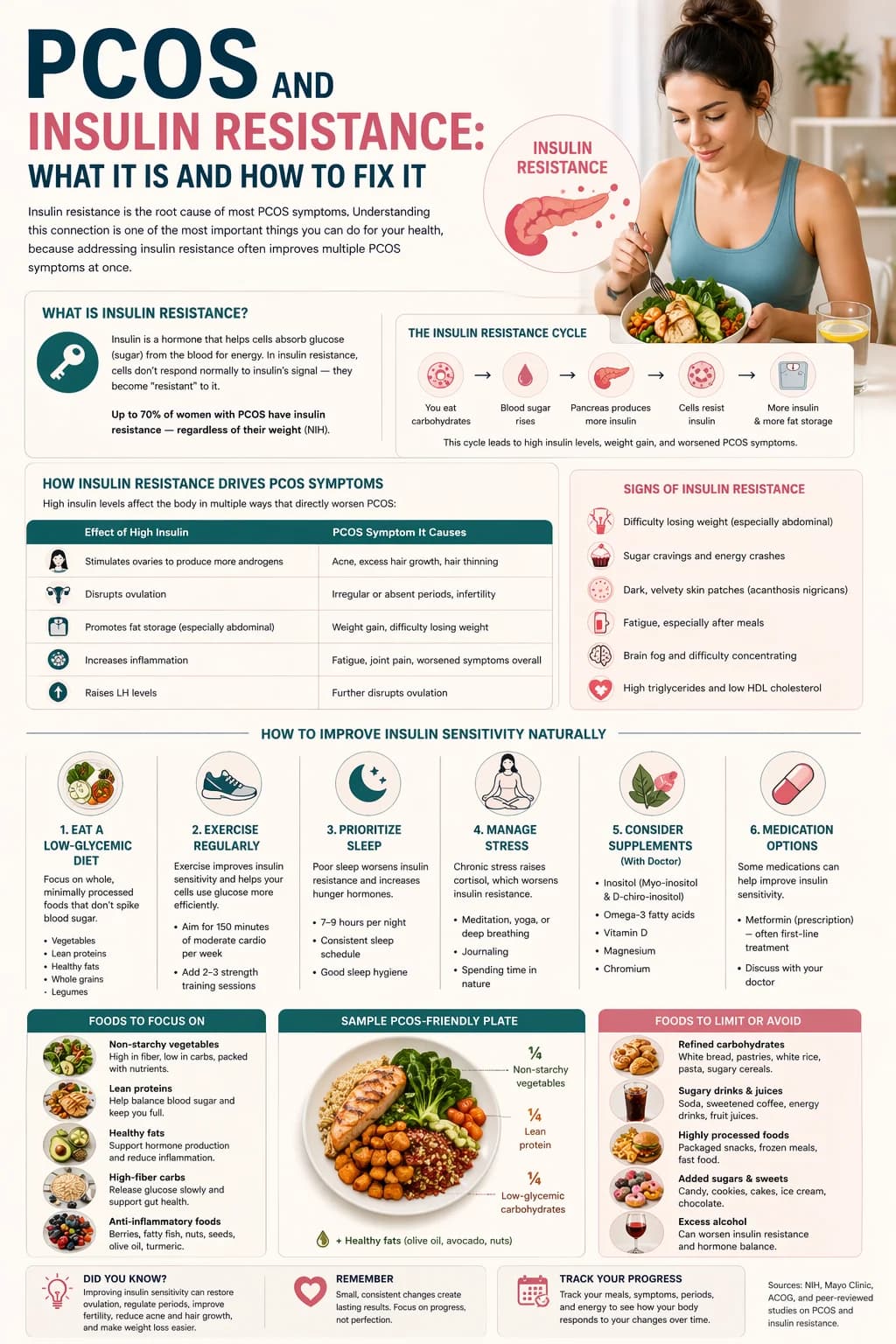
What Is Insulin Resistance?
Insulin is a hormone produced by the pancreas that allows cells to absorb glucose (sugar) from the bloodstream for energy. In insulin resistance, cells don't respond normally to insulin's signal — they become "resistant" to it.
According to the NIH, up to 70% of women with PCOS have insulin resistance — regardless of their weight. To compensate, the pancreas produces more and more insulin, leading to chronically elevated insulin levels (hyperinsulinemia).
This excess insulin is what drives many of the most frustrating PCOS symptoms.
How Insulin Resistance Drives PCOS Symptoms
High insulin levels affect the body in multiple ways that directly worsen PCOS:
| Effect of High Insulin | PCOS Symptom It Causes |
|---|---|
| Stimulates ovaries to produce more androgens | Acne, excess hair growth, hair thinning |
| Disrupts ovulation | Irregular or absent periods, infertility |
| Promotes fat storage (especially abdominal) | Weight gain, difficulty losing weight |
| Increases inflammation | Fatigue, joint pain, worsened symptoms overall |
| Raises LH levels | Further disrupts ovulation |
This is why treating insulin resistance — not just managing individual symptoms — is the most effective approach to PCOS management.
Signs You May Have Insulin Resistance
Insulin resistance often has no obvious symptoms in the early stages. However, some signs suggest it may be present:
- Difficulty losing weight despite diet and exercise
- Strong cravings for sugar or carbohydrates
- Energy crashes after meals
- Feeling hungry shortly after eating
- Dark, velvety skin patches on the neck, armpits, or groin (acanthosis nigricans)
- Abdominal weight gain
- Fatigue, especially after carbohydrate-heavy meals
How Is Insulin Resistance Diagnosed?
There is no single standard test for insulin resistance. According to the Mayo Clinic, doctors typically use a combination of:
- Fasting blood glucose — measures blood sugar after an overnight fast
- Fasting insulin — elevated fasting insulin suggests resistance even if glucose is normal
- HbA1c — reflects average blood sugar over the past 2–3 months
- HOMA-IR — a calculated score using fasting glucose and insulin that estimates insulin resistance
- Oral glucose tolerance test (OGTT) — measures how blood sugar responds to a glucose drink over 2 hours
Ask your doctor to include fasting insulin in your blood work — it's often not included in standard panels but is one of the most useful markers for PCOS management.
How to Improve Insulin Sensitivity
The good news: insulin resistance is highly responsive to lifestyle changes. These are the most evidence-based approaches:
1. Low-Glycemic Diet
Reducing blood sugar spikes is the most direct way to lower insulin levels. A low-glycemic diet — rich in fiber, protein, and healthy fats — keeps glucose stable and reduces the demand for insulin. Read our full guide on PCOS diet: what to eat and what to avoid.
2. Strength Training
Muscle tissue is the primary site of glucose uptake. Building muscle through resistance training significantly improves insulin sensitivity — muscle cells become more responsive to insulin, reducing the amount needed to process glucose.
Research published in the Journal of Strength and Conditioning Research found that resistance training improved insulin sensitivity in women with PCOS independently of weight loss.
3. Regular Aerobic Exercise
Cardio exercise uses glucose for energy, temporarily lowering blood sugar and improving insulin sensitivity. The Mayo Clinic recommends at least 150 minutes of moderate-intensity exercise per week.
4. Weight Loss (If Applicable)
Even modest weight loss — 5–10% of body weight — can significantly improve insulin sensitivity in overweight women with PCOS. However, insulin resistance also affects lean women, and lifestyle changes are beneficial regardless of weight.
5. Sleep and Stress Management
Poor sleep and chronic stress both raise cortisol, which directly worsens insulin resistance. Prioritizing 7–9 hours of quality sleep and managing stress through mindfulness, exercise, or therapy are important but often overlooked components of insulin management.
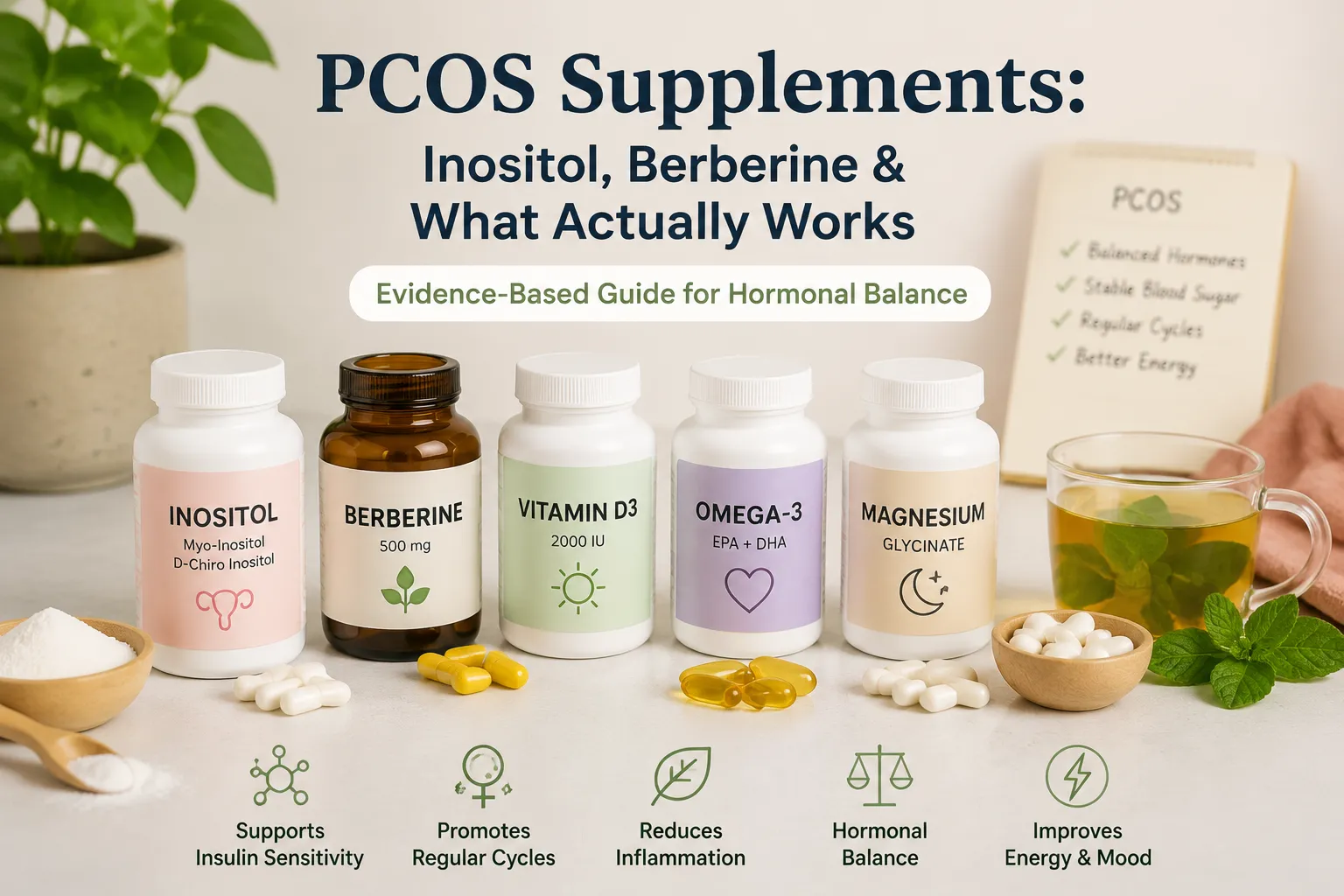
6. Inositol Supplements
Myo-inositol and D-chiro-inositol are naturally occurring compounds that improve insulin signaling. A meta-analysis in the International Journal of Endocrinology found that inositol supplementation improved insulin resistance, hormonal markers, and menstrual regularity in women with PCOS. Speak to your doctor before starting any supplement.
7. Metformin
Metformin is a prescription medication that reduces glucose production in the liver and improves insulin sensitivity. It is commonly prescribed for PCOS, particularly in women with significant insulin resistance or those trying to conceive. It is not a substitute for lifestyle changes but can be a useful addition.
How Long Does It Take to Improve Insulin Resistance?
With consistent lifestyle changes, most women see measurable improvements in insulin sensitivity within 8–12 weeks. Hormonal improvements — including more regular periods and reduced androgen symptoms — often follow within 3–6 months.
Progress is gradual and not always linear. Tracking your symptoms over time helps you see the trend even when day-to-day changes feel small.
Final Thoughts
Insulin resistance is not a life sentence. It is one of the most modifiable aspects of PCOS — and improving it often produces a cascade of benefits across multiple symptoms simultaneously.
Start with diet and exercise, track your progress, and work with your doctor to monitor your insulin and glucose markers over time. Small, consistent changes compound into significant improvements.
Related Articles
Written by
Piaora Editorial Team
Evidence-based guides on pumping, breastfeeding, and PCOS — researched with input from lactation professionals and written for real moms.
Learn more about our team and editorial standards →Frequently Asked Questions
Track Your PCOS Symptoms Over Time
We're building a PCOS tracker to help you log symptoms, track your cycle, and see how lifestyle changes affect your body. Join the waitlist for early access.
Free. No spam. Privacy Policy