Exclusively Pumping: Complete Guide for Moms
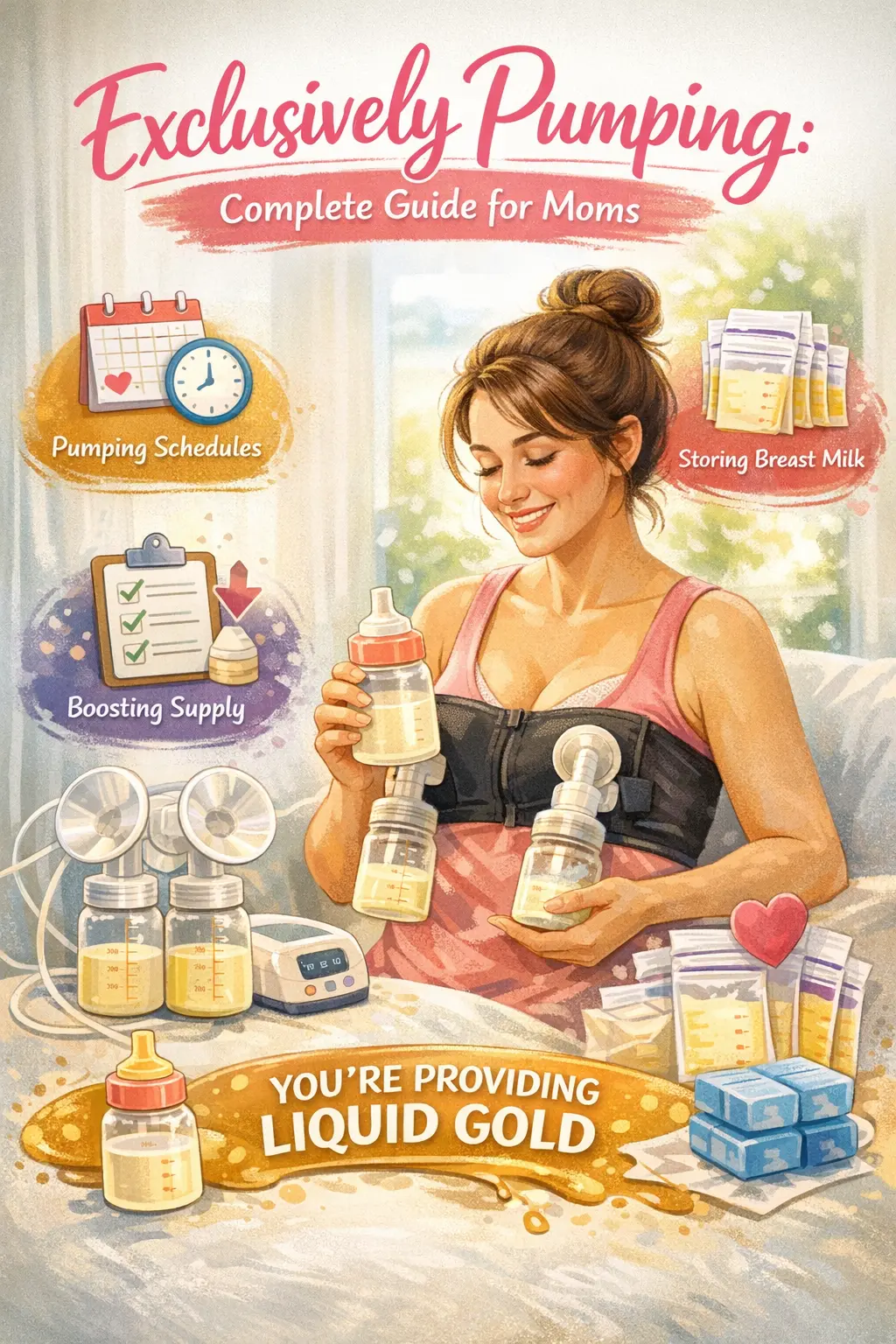
Exclusively pumping (EP) means providing breast milk entirely through a pump — without direct breastfeeding. Whether you chose EP or arrived here after a difficult breastfeeding journey, you're giving your baby something incredibly valuable.
This guide covers everything you need to know to make exclusive pumping work — sustainably, without burning out.
What Is Exclusively Pumping? (Quick Answer)
Exclusively pumping means your baby receives only breast milk, but it's expressed by pump rather than directly from the breast. You pump on a schedule, store the milk, and feed your baby by bottle. According to the AAP, expressed breast milk provides the same nutritional and immunological benefits as direct nursing.
EP is more demanding than breastfeeding because you're essentially doing both jobs — producing milk and feeding — separately. But with the right systems, it's absolutely sustainable.
Is Exclusively Pumping Right for You?
EP is right for you if you want to give your baby breast milk but direct breastfeeding isn't working or isn't your preference. It's demanding — but with the right systems, it's absolutely sustainable.
If you're still deciding, know this: EP moms provide the same nutritional benefits as breastfeeding moms. The method of delivery doesn't change the value of what you're giving your baby.
Why Moms Choose Exclusively Pumping
There's no single reason moms EP. Common situations include:
- Baby has latch difficulties or tongue tie
- Premature birth requiring NICU care
- Nipple pain or damage that makes direct feeding impossible
- Preference for knowing exactly how much baby is eating
- Returning to work and finding pumping more practical
- Adoptive moms inducing lactation
Whatever your reason — it's valid. EP is a legitimate and loving choice.
Exclusively Pumping Schedule: How Often and How Long
Schedule is everything in EP. Unlike breastfeeding where your baby regulates demand, you have to manually signal your body to produce milk. Use our free Pumping Schedule Generator to build your EP schedule, and our Milk Stash Calculator to track how many days your freezer stash will last.
| Stage | Sessions per Day | Duration Each |
|---|---|---|
| Newborn (0–3 months) | 8–10 sessions | 15–20 min |
| Established supply (3–6 months) | 6–8 sessions | 15–20 min |
| Working mom EP | 5–7 sessions | 15–20 min |
| Weaning from EP | Gradually reduce | Shorten over time |
The most important rule: never go more than 5–6 hours without pumping, especially in the early months. Your supply depends on consistent stimulation.
For more on pumping frequency: How often should you pump? →
The Hardest Part of Exclusively Pumping (And How to Handle It)
EP moms face challenges that breastfeeding guides rarely address:
Supply management without a baby regulating demand
Your body doesn't get the natural feedback loop of a nursing baby. You have to be more intentional about maintaining supply through consistent sessions and tracking output.
Time and logistics
EP takes more total time than breastfeeding — you're pumping AND bottle feeding. Efficiency matters. Hands-free pumps, batch washing, and a good tracking system save significant time.
Emotional isolation
EP can feel lonely. You may not find support in standard breastfeeding groups. Online EP communities (r/ExclusivelyPumping on Reddit is excellent) provide real peer support from moms who understand.
Supply drops
EP moms are more vulnerable to supply drops because there's no baby to compensate for missed sessions. Tracking your output daily helps you catch drops early. 7 proven ways to increase milk supply →
Equipment That Makes EP Sustainable
The right equipment makes a significant difference in EP sustainability:
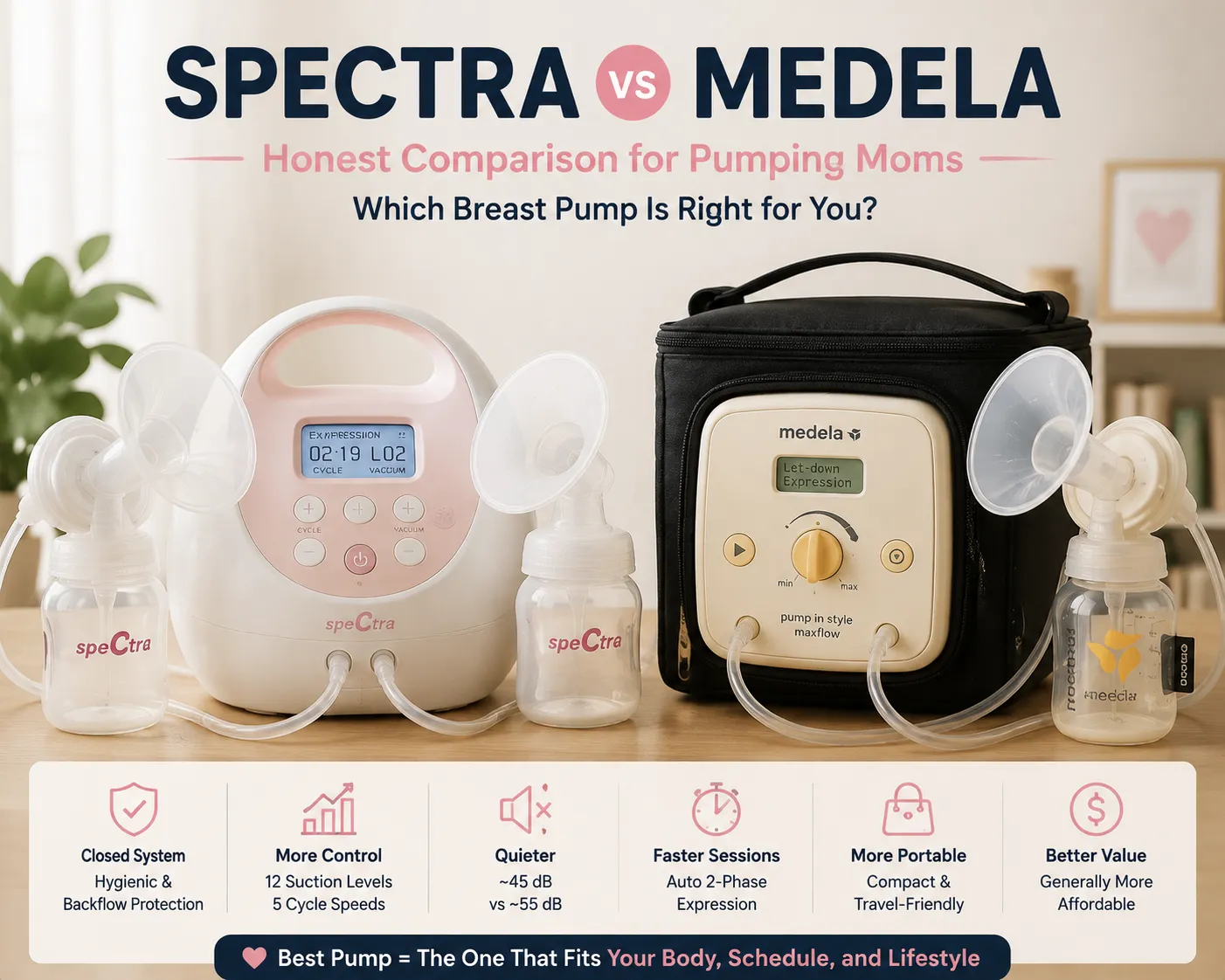
- Hospital-grade double pump — more efficient than consumer pumps, worth renting if you're EP long-term
- Wearable pump — essential for working EP moms, allows multitasking. Read our wearable pump pros and cons guide
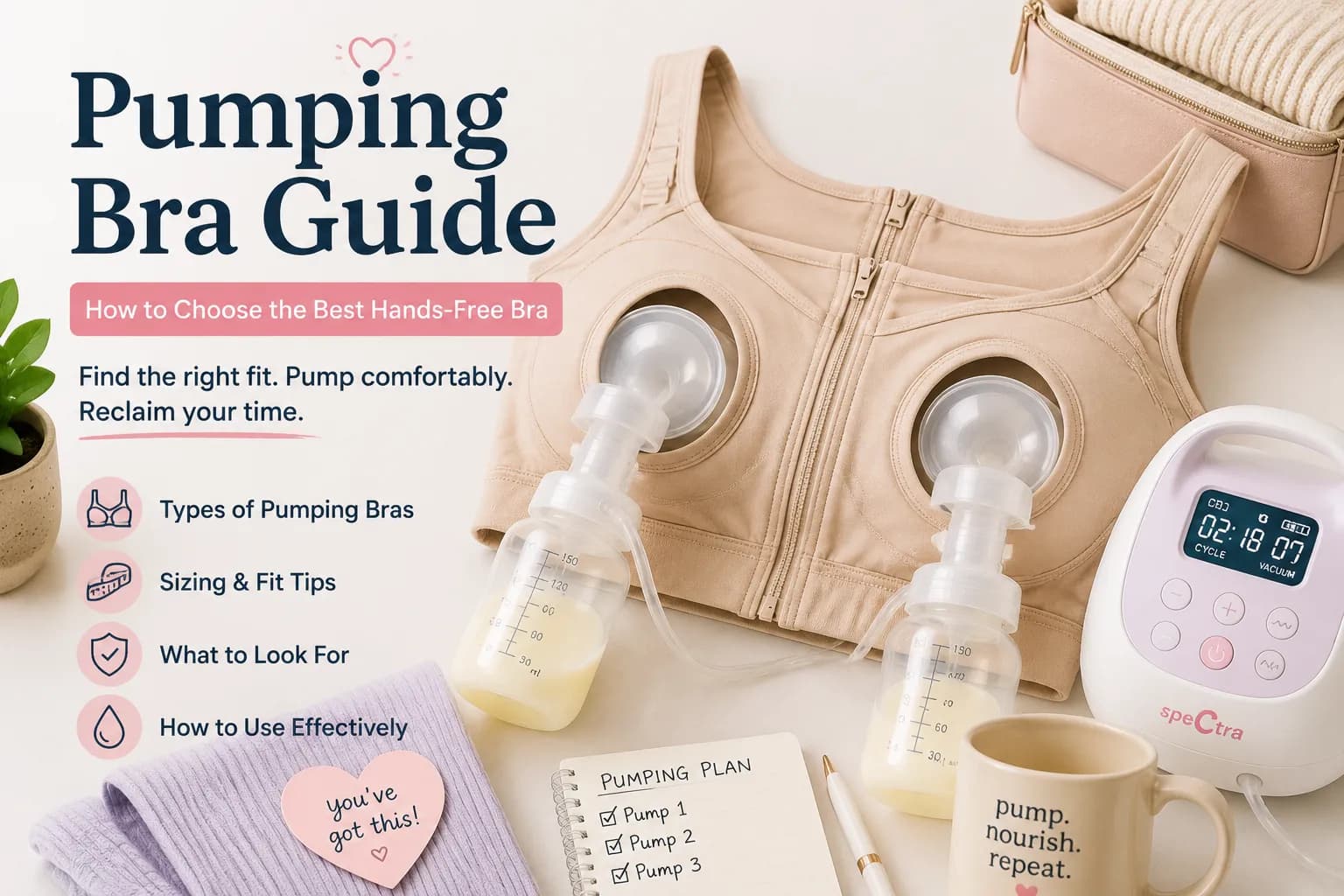
- Hands-free pumping bra — non-negotiable for EP
- Extra pump parts — so you're not washing between every session
- Large capacity bottles — EP moms often produce more per session than breastfeeding moms
- Pumping tracker app — tracking is more critical for EP than any other pumping situation
How to Maintain Supply While Exclusively Pumping
Supply maintenance is the central challenge of EP. Key strategies:
- Never skip sessions — consistency is more important in EP than in breastfeeding
- Add a power pumping session if output drops
- Track every session — output trends tell you when to intervene before supply drops significantly
- Protect sleep, hydration, and nutrition — EP is physically demanding
- Manage stress actively — cortisol suppresses let-down more noticeably in EP
If you notice a drop: Power pumping guide to recover supply →
How Long Do EP Moms Typically Pump?
There's no right answer — EP journeys vary enormously. Some moms EP for a few weeks, others for a year or more. The right duration is whatever works for you and your baby.
When you're ready to wean from pumping, do it gradually — drop one session every few days to avoid engorgement and supply shock.
Final Thoughts
Exclusively pumping is one of the most demanding things a mom can do — and one of the most underappreciated. You're doing the work of two feeding methods simultaneously, on a schedule, often while working and caring for a newborn.
Build your systems. Track your sessions. Find your community. And give yourself credit for every single session — because every one matters.
Tracking is essential for EP moms. Log every session and stay on top of your supply with our free Pumping Tracker.
Learn more about Pumping Tracker →Related Articles
Written by
Piaora Editorial Team
Evidence-based guides on pumping, breastfeeding, and PCOS — researched with input from lactation professionals and written for real moms.
Learn more about our team and editorial standards →